
The application still works, but nobody wants to touch the code anymore.
Modernize and further develop C++ / MFC applications safely
Mature C++ / MFC applications are often deeply embedded in existing business processes and cannot simply be replaced. At the same time, maintenance effort, change risks, and technical pressure tend to increase over time.
I support companies in taking over existing C++ / MFC systems in a structured way, stabilizing them, and developing them further step by step — with a focus on maintainability, operational reliability, and realistic modernization.
Typical situations
Knowledge about architecture, special logic, or legacy components is hardly available.
New requirements meet mature code and increase the risk of changes.
The software is business-critical and cannot simply be rebuilt or replaced.
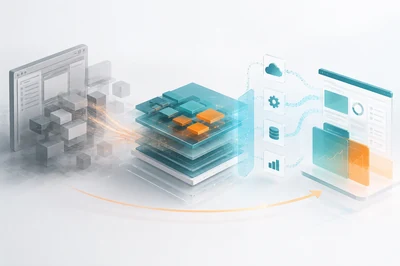
Step-by-step modernization makes more sense than a risky full rewrite.
How I can help
Onboarding into existing C++ / MFC code
Analysis of technical legacy issues and critical areas
Bug analysis and stabilization during ongoing operations
Maintenance and functional further development of existing applications
Pragmatic refactoring
Porting older components to more modern development environments
Preparing the system for gradual modernization
Integration of interfaces, services, and adjacent components
My approach
With mature applications, the goal is rarely to rebuild everything from scratch. What matters is reducing risk, preserving proven functionality, and implementing meaningful improvements in a sustainable order.
I work my way into existing solutions in a structured manner, analyze dependencies, and implement changes so that ongoing operations are affected as little as possible. The goal is clear, maintainable, and pragmatic solutions instead of unnecessary technical disruption.
Well suited for projects focused on
existing Windows desktop applications
C++ / MFC legacy systems
business-critical software in active operation
porting older applications
technical stabilization and further development
modernization in controlled steps
Why step-by-step modernization is often the better choice
Many mature applications contain years of business logic, special cases, and operational dependencies. A complete rewrite may sound attractive, but in practice it is often expensive, time-consuming, and risky.
Step-by-step modernization makes it possible to preserve existing strengths, address weaknesses in a targeted way, and evolve the system in a controlled manner — without putting working processes at unnecessary risk.
Technical focus
- C++
- MFC
- Windows Desktop
- Maintenance and further development of existing applications
- Stabilization and refactoring
- Porting
- Interfaces and adjacent system integration
Would you like to further develop or modernize an existing C++ / MFC application?
I would be glad to discuss, without obligation, how maintenance risks can be reduced and sensible next steps can be planned.
Further develop existing C++ / MFC software instead of replacing it too quickly
Not every proven Windows application should be rebuilt from scratch. In many cases, it is more economical and less risky to stabilize existing software, clean it up technically, and modernize it step by step. This is exactly where I can help: with experience in mature systems, a pragmatic approach, and a clear focus on ongoing operations.
FAQ
Frequently asked questions about C++/MFC modernization
The key points about taking over, maintaining, stabilizing and gradually modernizing existing C++/MFC applications.
Do you also take over older C++ or MFC applications?
Yes. I familiarize myself in a structured way with existing C++/MFC applications, analyze their architecture, dependencies and critical functions, and support maintenance, stabilization and further development. Especially with grown Windows desktop applications, it is often important to understand the existing logic first before making major technical changes.
Does an old C++/MFC application have to be rebuilt completely?
Not necessarily. Many older applications contain valuable business logic, special cases and operational workflows that have grown over many years. In many cases, gradual modernization is safer and more economical than a complete redevelopment.
Can existing applications be stabilized during ongoing operation?
Yes. The goal is to analyze sources of error, defuse critical areas and implement changes in a way that causes as little disruption as possible to ongoing operation. This is not about unnecessary technical breaks, but about understandable and pragmatic improvements.
What does gradual modernization mean for C++/MFC software?
Gradual modernization means not replacing everything at once, but improving individual areas in a targeted way. This can include refactoring, porting, technical cleanup, interfaces or preparation for more modern development environments.
Can interfaces or related systems also be connected?
Yes. Existing C++/MFC applications can be connected to interfaces, services or other systems if needed. This can be useful when data needs to flow more reliably or existing desktop software needs to be better integrated into current workflows.
Which projects is this support suitable for?
This support is particularly suitable for existing Windows desktop applications, C++/MFC legacy systems and business-critical software that must continue to run reliably. Porting older applications, controlled refactoring or technical development in small steps are also a good fit.